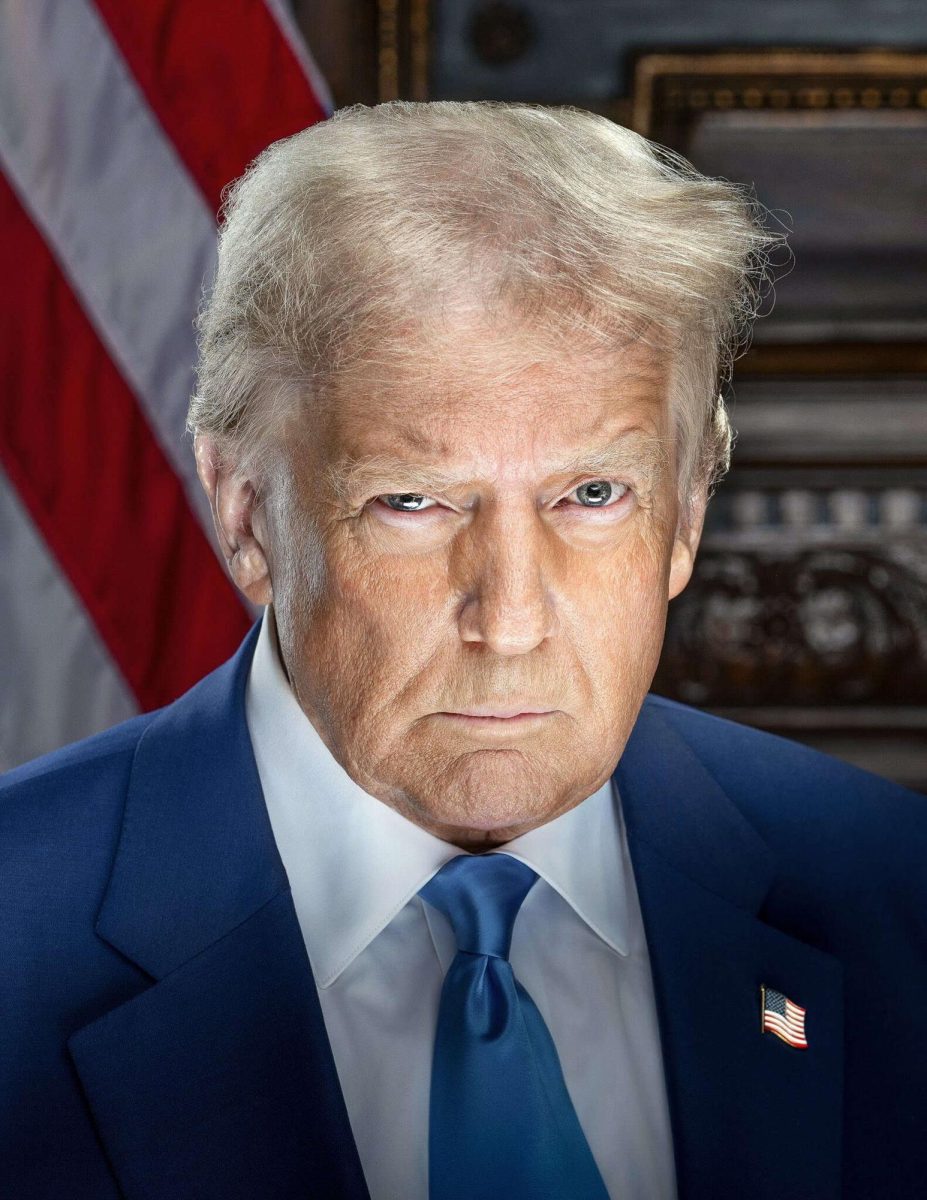

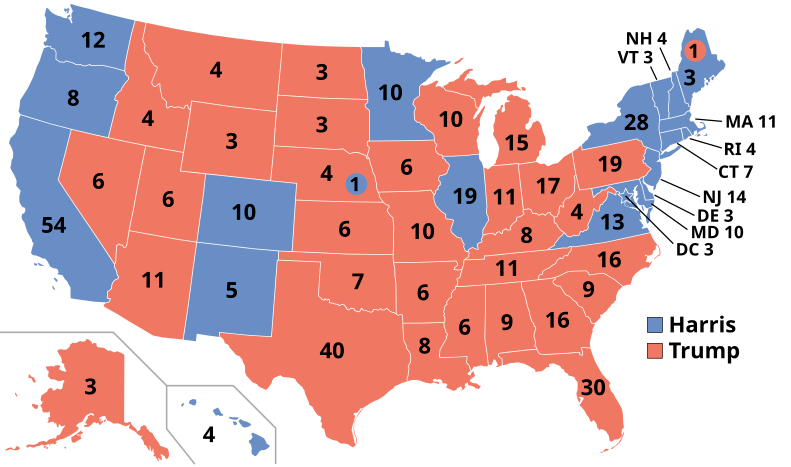










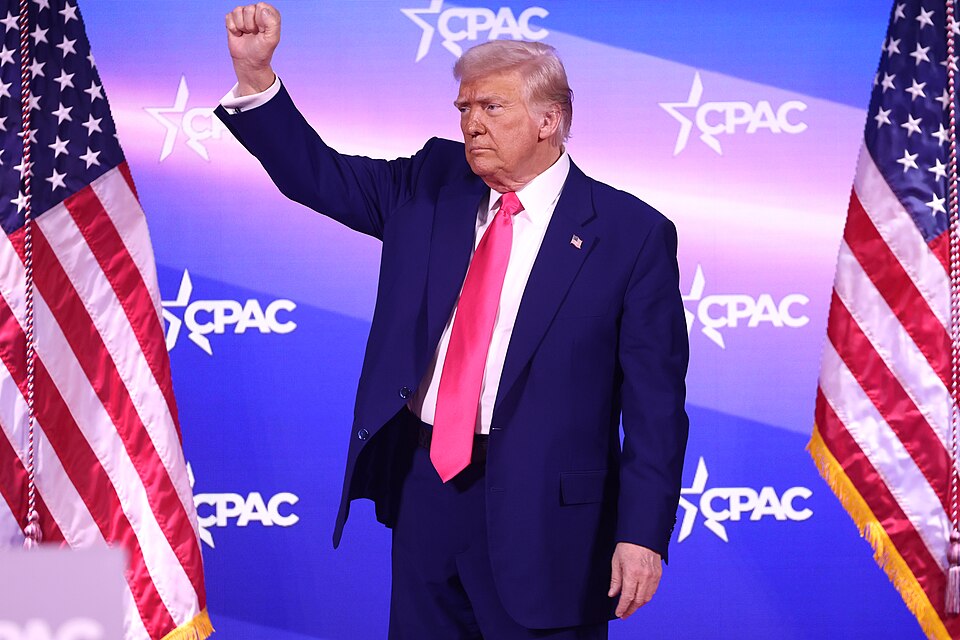










On January 20, 2025, United States President Donald Trump took the oath of office inside the Capitol Rotunda, establishing himself as the 47th president of the United States in his second term in office. As of April 2026, Trump’s term had progressed for over a year, guiding the U.S. into discourse.
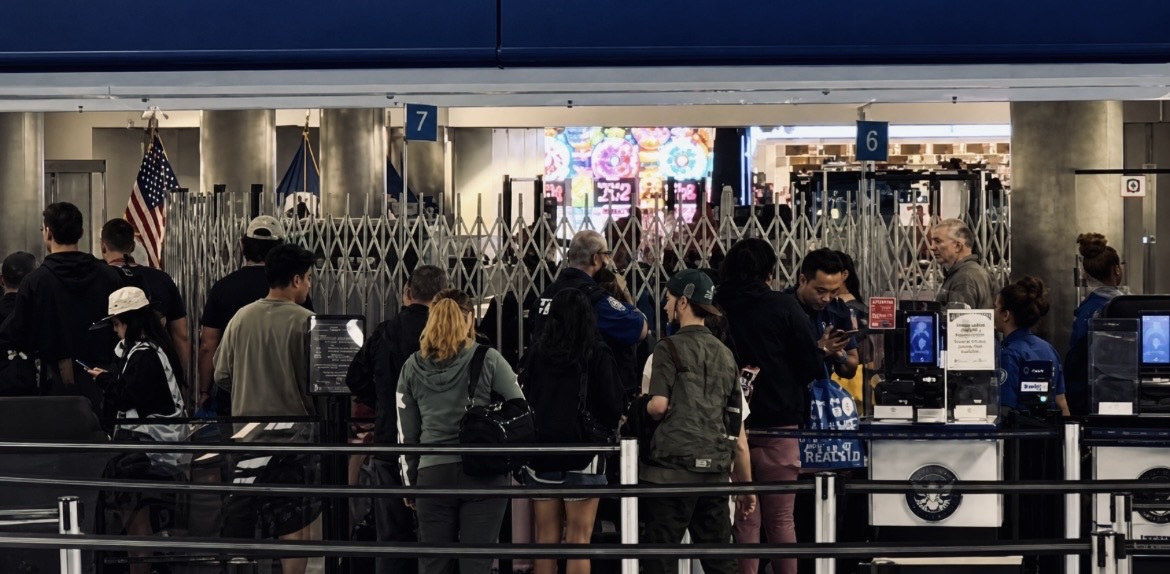
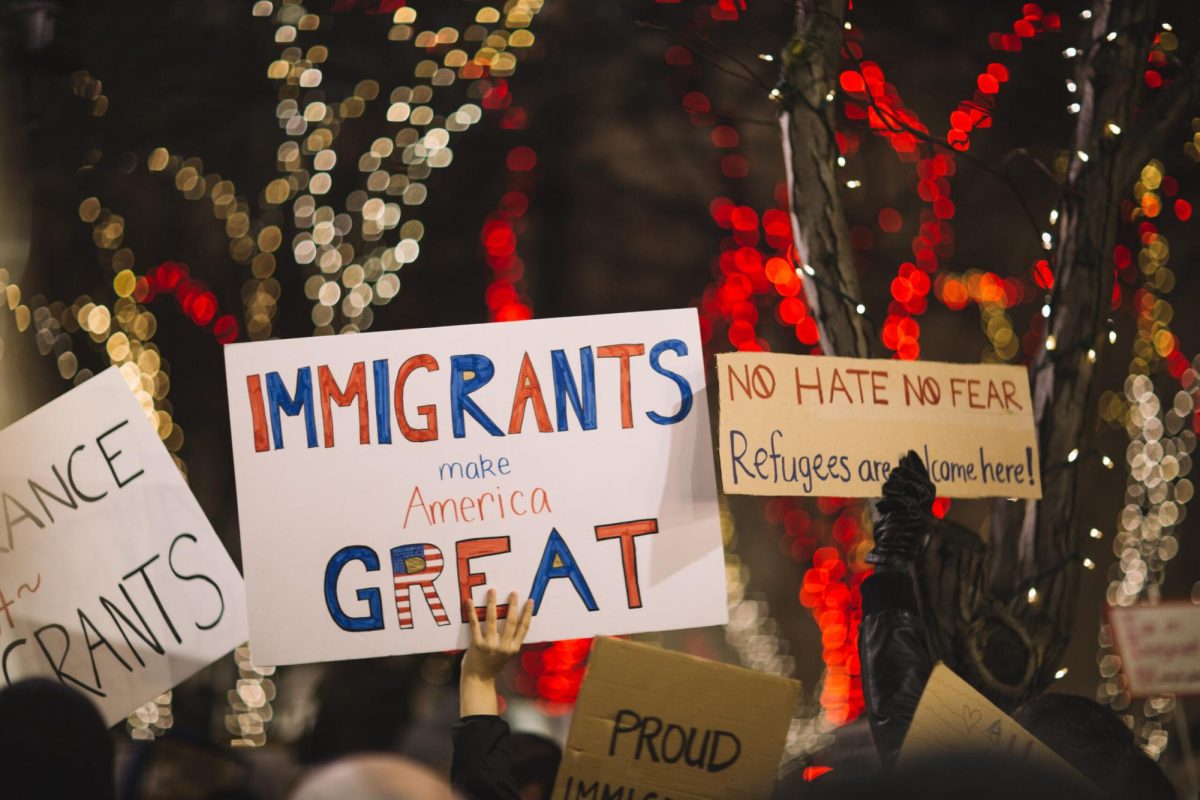
Policies within Trump’s first month back in office largely contributed to the active controversy within the U.S. In Trump’s first day in office, he essentially pardoned over 1,500 of the rioters charged during the January 6, 2021, raid, halted foreign aid, and suspended the U.S. Refugee Admissions Program (USRAP), withdrew from the Paris Agreement that aimed to address greenhouse gas emissions, and created the Department of Government Efficiency (DOGE). Additionally, Trump signed the ‘Unleashing American Energy’ executive order, reversing the Infrastructure Investment and Jobs Act (IIJA) and the Inflation Reduction Act (IRA), two acts from the Biden Administration’s climate-related agenda. Most notably, Trump established a stronger priority on the Immigration and Customs Enforcement (ICE), increasing funding and expanding their power by enabling immigration arrests at places including schools and public gatherings.
In February 2025, Trump began imposing tariffs, utilizing trade law enforcement authorities to leverage the tariffs. On February 1, Trump first issued executive orders calling for tariffs on Canadian imports and energy products, Chinese goods, and Mexican imports under the authority of the International Emergency Economic Powers Act (IEEPA). Throughout 2025, Trump imposed numerous tariffs under the authority of the IEEPA, including a 125% tariff on all goods from China (April 2025), 40% tariff on imports from Brazil (July 2025), and tariffs on products from the EU and Japan (August 2025). Trump also uses Section 122 and Section 232 of the Trade Expansion Act of 1962 to authorize the tariffs that he imposes, with tariffs placed on automobiles and auto parts, steel and aluminum products, copper products, and timber and lumber. However, in February 2026, the Supreme Court of the United States (SCOTUS) challenged and terminated the tariffs that Trump imposed under the authority of the IEEPA. As of February 24, 2026, all tariffs imposed under the IEEPA officially ended, but tariffs under Section 122 and Section 232 remain in effect, with more tariffs planned for April-June 2026.
In March 2025, Trump invoked the Alien Enemies Act of 1798, using the act to send alleged Venezuelan gang members to prison in El Salvador. Trump also ordered missile strikes on Yemen, targeting Houthi militants.
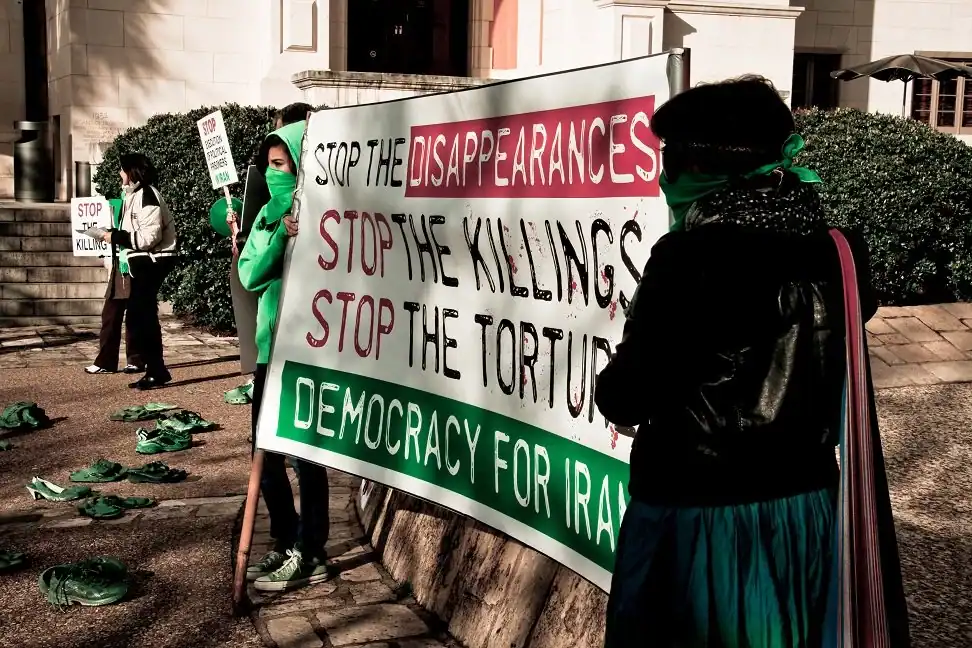
In June 2025, Trump urged Iran to surrender amidst an exchange of missiles against Israel, and announced that the U.S. held control over the Iranian airspace. Shortly after asserting control over the Iranian airspace, Trump ordered airstrikes targeted at Iranian nuclear facilities, planting the seeds for the U.S.-Iran conflict beginning in 2026.
On July 4, the U.S. celebrated its 250th year as a nation. Trump signed a massive spending and tax bill officially called the ‘One Big Beautiful Bill’. Trump’s bill strengthened immigration enforcement and nationwide defense at the expense of priority on clean energy programs. Trump took immense pride in the bill, “I can say very proudly that our country is more proud right now than it has been in many, many years,” he claimed following his signing of the bill.
In August 2025, Trump began deploying National Guard troops across Washington, D.C., to combat crime and homeless-related issues within the capital city. “This is Liberation Day in D.C., and we’re going to take our capital back. We’re going to take it back,” Trump declared in a news conference. The deployment of the National Guard resulted in major backlash from residents of D.C. and states adjacent to D.C. In response to the retaliation, Trump sent troops outside D.C. to cities such as Chicago and California.
September 2025 marks arguably the most culturally rampant point of Trump’s presidency. The assassination of Trump’s close ally and conservative activist Charlie Kirk sparked discourse among the nation, especially on social media. Kirk’s assassination also placed a stronger emphasis on the threat of political violence; Trump issued a memorandum to the FBI that urged increased investigation into possible ‘anti-Christianity’ and ‘anti-Capitalism’ groups in the weeks following.
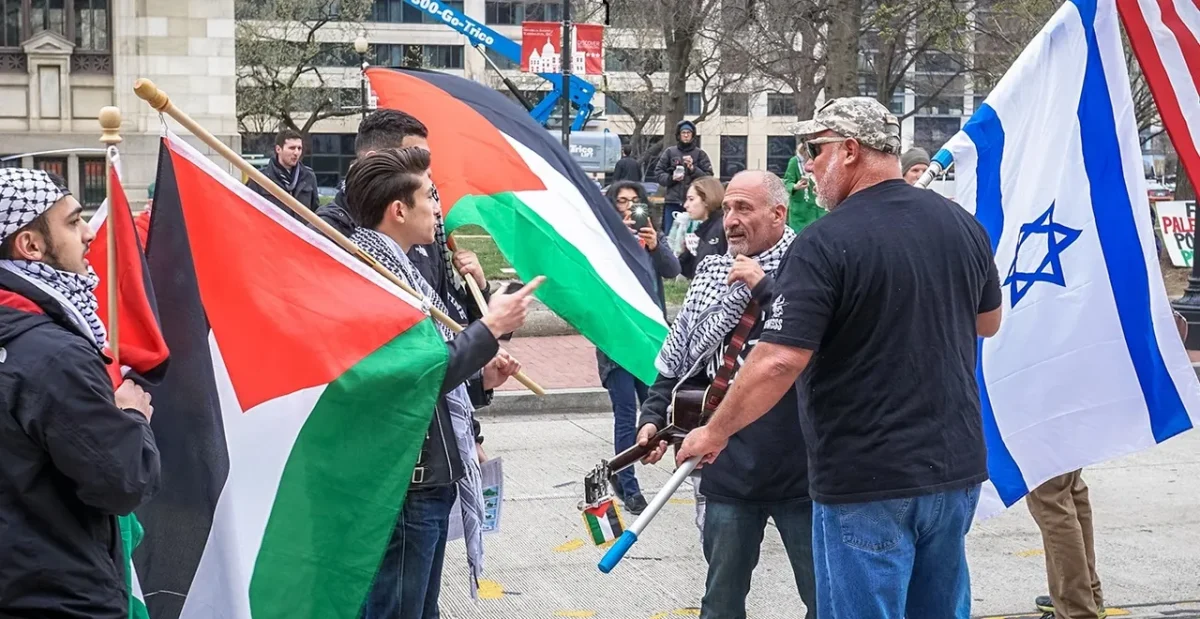
From late September into October, Trump increased U.S. involvement in the conflict between Israel and Hamas. Trump revealed a plan for a ceasefire deal between the two nations, with pressure intensifying on Hamas after Israel’s acceptance of the deal. Ultimately, Hamas released the 20 Israeli hostages that remained in Gaza following the announcement of the ceasefire deal.
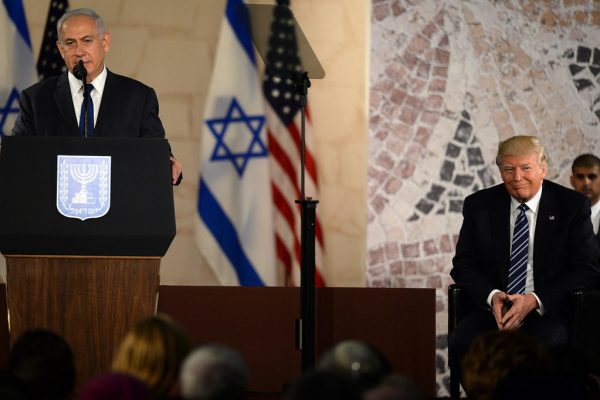
Later in November, the United Nations adopted Trump’s ceasefire deal, aiming to dedicate forces towards stabilizing the Gaza enclave. Despite disagreements from Hamas, along with Russia and China abstaining from the plan, the U.S., along with other powers in the U.N., named the plan as Gaza’s biggest opportunity to transition out of Hamas control. In the days following the adoption of the ceasefire deal, Trump signed a deal to release the case files regarding Jeffrey Epstein. In prior months, Trump went against releasing Epstein’s files.
In December, Trump called for a pause in migration from third-world countries after the shooting of two National Guard troops in November. The shooting served to strengthen Trump’s anti-immigrant agenda. Immediately following the shooting, the Department of State halted the issuance of visas to individuals holding Afghan passports.
In January 2026, the U.S. officially left the World Health Organization, making history as the only country to depart from the WHO since its establishment in 1948. Trump blamed the WHO for ‘gouging the United States’ and also blamed the WHO for ‘covering up China’s role in the COVID-19 pandemic’. The U.S.’s withdrawal from the WHO leaves the alliance with $278 million in debt.
The U.S. currently endures a turbulent period of time under Trump’s presidency, and his ambitions make it difficult to assume that this period of discourse will end soon.