














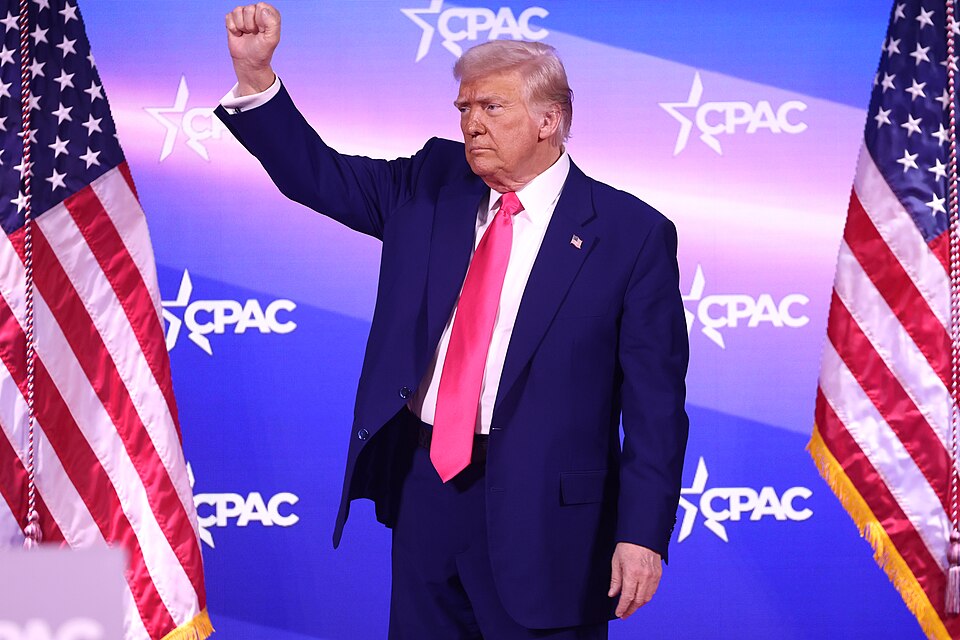












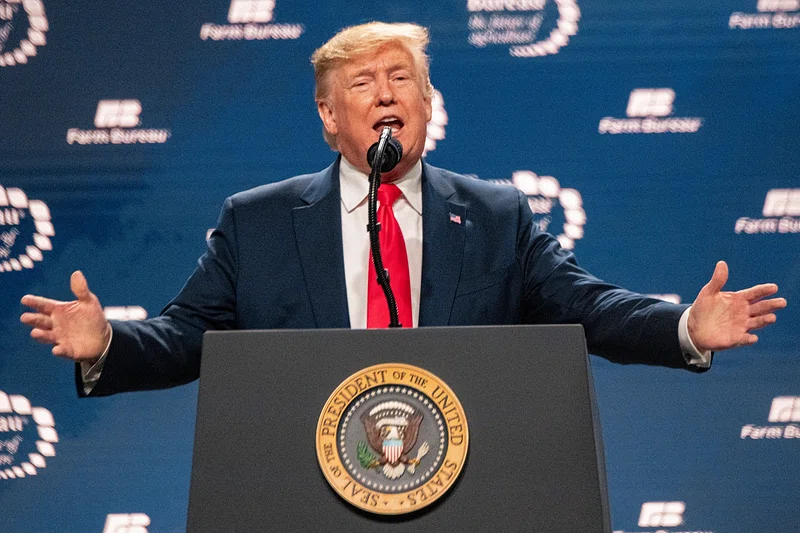
On July 4, 2025, President Donald Trump passed and signed the One Big Beautiful Bill Act, better known as the “Big Beautiful Bill.” Acting as one of the major pieces in Trump’s legislation, the Big Beautiful Bill aims to change the U.S. tax system by lowering corporate taxes, implementing fewer deductions, and increasing the take home pay for families. Trump claimed the Big Beautiful Bill would boost the economy, encourage business investment, create job opportunities, and let workers keep more of their paychecks. Trump’s bill not only serves as a way to avoid looming tax increases within the United States, but also attempts to deliver on Trump’s campaign promises to eliminate overly high taxes plaguing American citizens.
Upon the Big Beautiful Bill being passed into law, it faced heavy bipartisan disagreement with criticism coming from both Democrats and Republicans. Many, such as the Center on Budget and Policy Priorities, PBS News, and the Guardian, argue that the Big Beautiful Bill mostly benefits wealthy individuals and large-scale corporations which harms low income families and increases financial strain on Americans. Additionally, Elon Musk, a former ally of Trump, strongly criticized the bill, asserting, “every member of Congress who campaigned on reducing government spending and then immediately voted for the biggest debt increase in history should hang their head in shame! And they will lose their primary next year if it is the last thing I do on this Earth.”
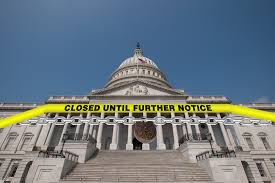
As a result of passing the Big Beautiful Bill and negative feedback the bill received, Trump’s overall job approval rating met its second-term low, dropping the rating from around 47% to around 37%. Concurrently, the bill received a small amount of support from small businesses, with small business owners claiming they are “likely to expand or reinvest in their business, boost worker wages or benefits, hire more employees, or increase charitable giving if the Trump Tax Cuts are extended.” Furthermore, the Big Beautiful Bill played a minor role in causing the government shutdown through creating intense partisan conflict over funding priorities and ultimately resulting in stalling funding for the government. Although President Trump’s Big Beautiful Bill received widespread criticism, the Big Beautiful Bill continues to go into effect in 2026.