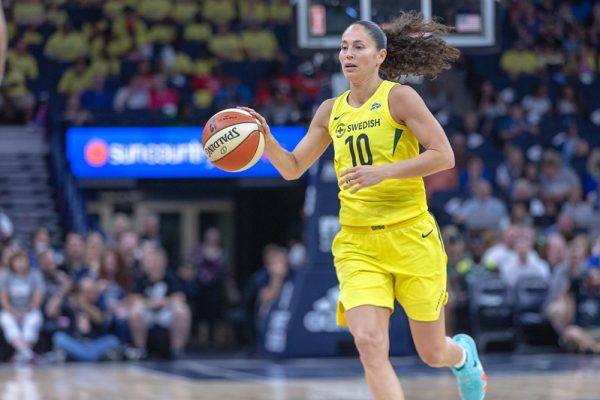
















On October 10, 2025, thousands of Women’s National Basketball Association (WNBA) fans, wearing jerseys of their favorite teams, attended game four of the 2025 finals. Millions of fans also tuned in at home to watch the game, leading it to become one of the most-watched WNBA games ever.
This series became part of history, a way to represent the WNBA players, fans, and staff’s years of hard work to make the league noticed. Their efforts did not disappoint; the league grew significantly over the past couple of years. Fueled by increased social media attention, new star players, deeper fan connections, and new marketing tactics, these recent seasons achieved remarkable success. The once-struggling women’s basketball league started paving a new era for itself.
After the COVID pandemic, the WNBA lost years of hard work to get the league to where it wanted. The league got shut down, and the interest in the league faltered. That, however, did not stop the players and other supporters from restarting to get the league to a healthy place again. The growth started slowly at first, but soon enough, the league’s popularity rapidly increased. This growth began in 2024 when the WNBA’s attendance reportedly increased by around 48% compared to the season prior. The 2024 season also averaged at least one million viewers, and merchandise sales increased a combined 601% from the WNBA website and a shop in New York City. This season broke many WNBA records, marking the beginning of their significant popularity.
While many felt skeptical about whether the 2025 season could uphold the WNBA’s renewed popularity, the league made sure to live up to its progress. The 2025 season kept the attendance at a growing pace, seeing an average of 13% more fans than in 2024, and increased the total ticket sales by about 26%. The season also debuted the WNBA’s 13th team, the Golden State Valkyries. This expansion marks the beginning of the WNBA’s plan to expand the league to 18 teams by 2030. And while the season’s finals did not quite reach the number of viewers as the 2024 season, the 2025 finals ended successfully, still becoming a historical moment for WNBA fans around the world.
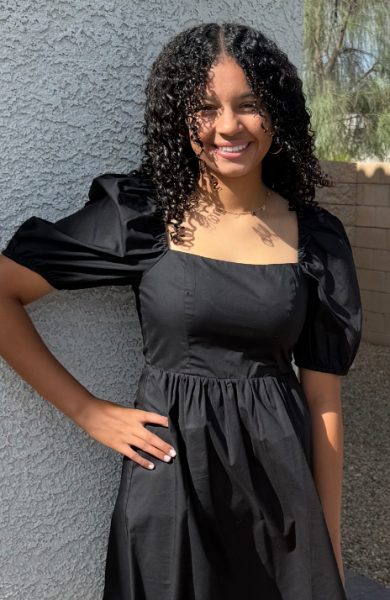
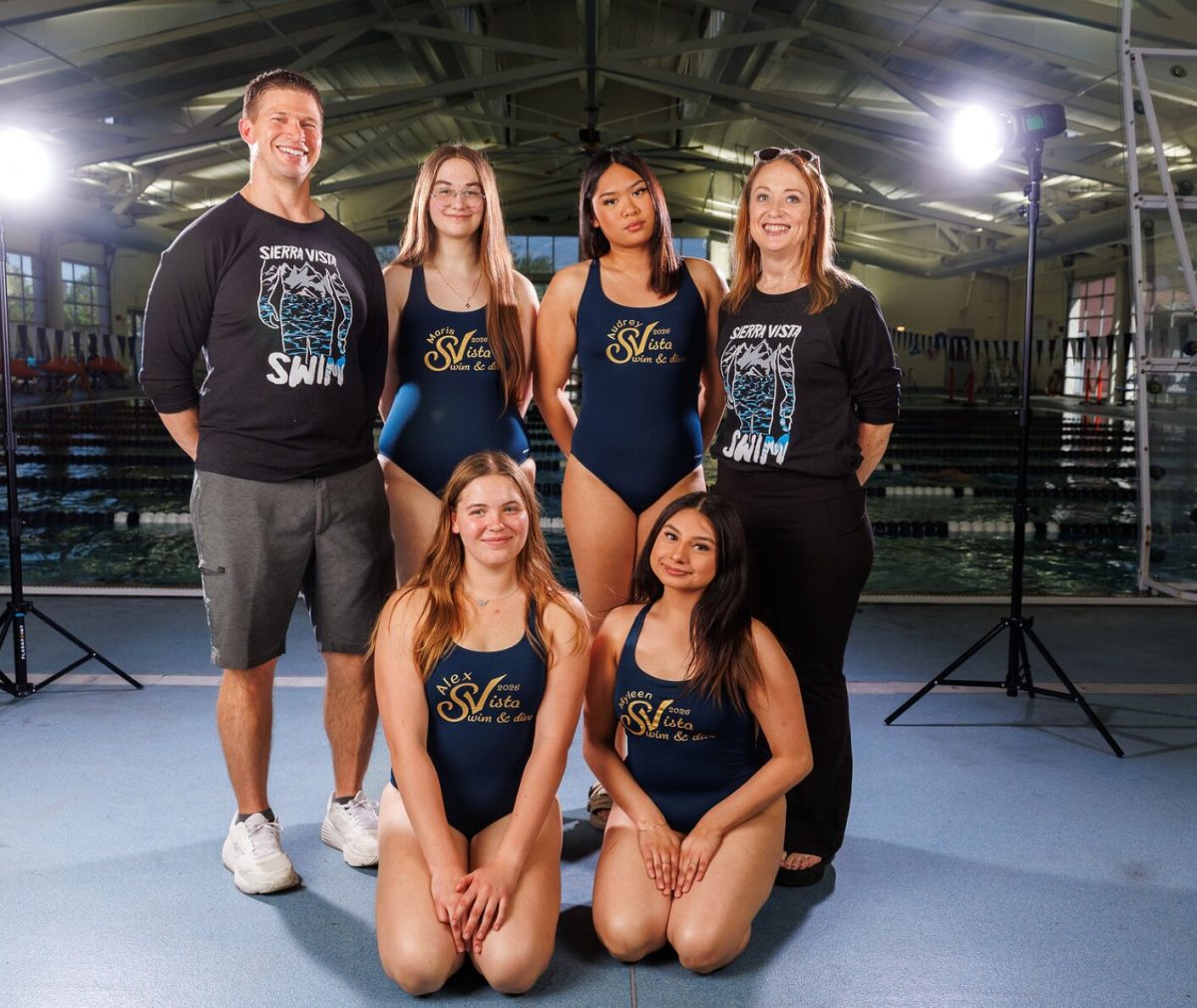
Many fans of the WNBA give the credit for their surge in popularity to the WNBA’s social media tactics. WNBA teams started using social media more consistently because they realized that fans connect to a variety of things on different platforms. The WNBA’s use of social media gives fans all over the world the opportunity to keep up and connect with their favorite players and teams. One Sierra Vista athlete, Beemnet Amare (9), shares, “I do feel that the WNBA’s use of social media makes me feel somewhat connected to the players because it informs me about many things that I wouldn’t know if they never had any accounts.” Although Amare believes that social media does connect fellow WNBA fans to the players, she also explains that she hopes they continue to do more than just social media. Amare agrees that the WNBA should use social media, but adds that they still need to think about the fans who do not use social media.
The league itself also attempts to make sure the players’ efforts to make the WNBA popular do not go unnoticed. Since the creation of the WNBA, one of the most compelling arguments about the league has been connected to how much money the players earn. $66,000 represents the minimum salary for the WNBA’s 2025 season. Players continuously fight for higher amounts of money because, compared to the NBA, $66,000 does not seem like a lot of money. One player from the Las Vegas Aces, A’ja Wilson, says, “This is no laughing matter. This is no trend, this is no moment in time. You’re dealing with me, my livelihood, my future, the next generation. So we’re going to take this very, very seriously.” Wilson, the most decorated player in WNBA history and the first four-time MVP, recently earned the richest contract in WNBA history. This contract follows her years of hard work and dedication to the league. Many fans find Wilson an amazing inspiration and admire the hard work she puts into every game and season.
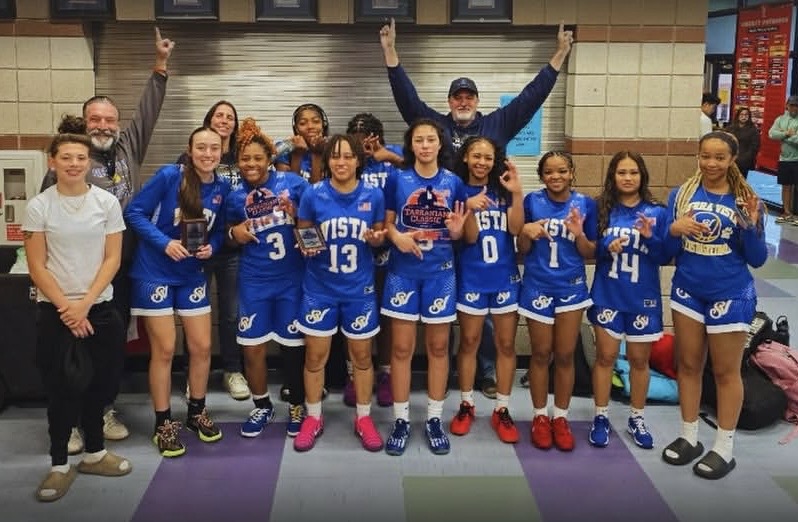
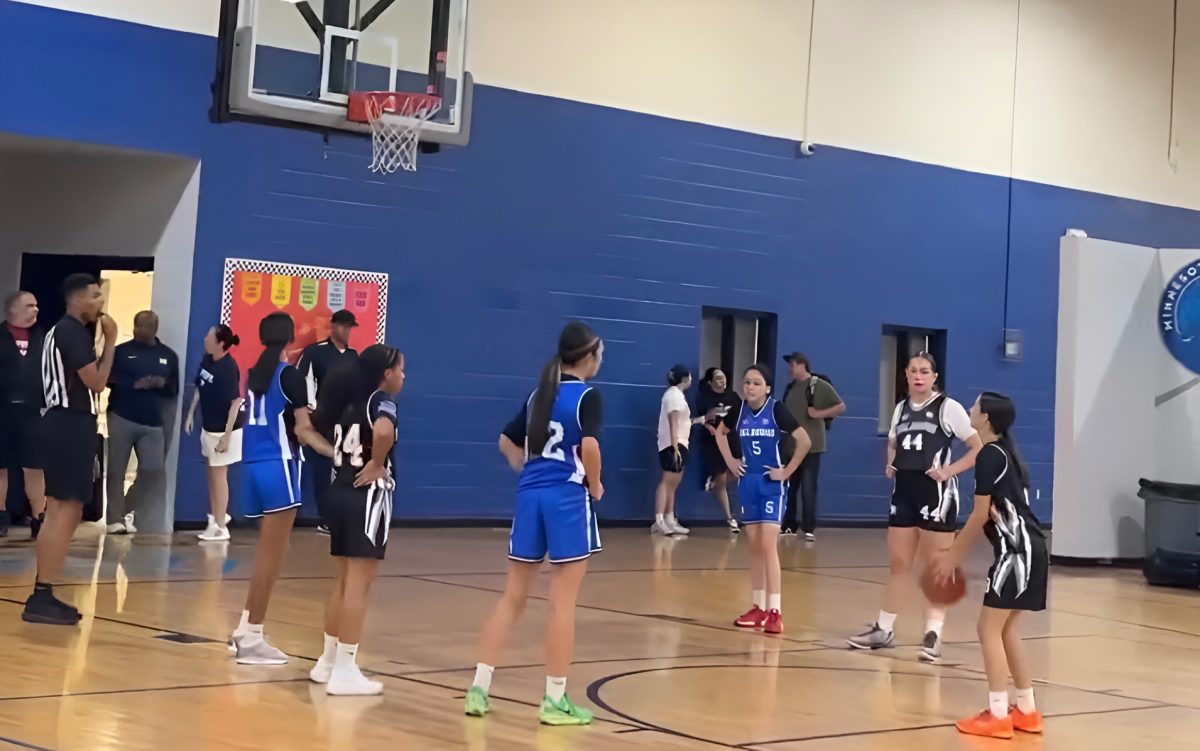
The WNBA’s recent seasons quickly became the next generation’s biggest inspiration in terms of women’s sports. Young girl athletes look up to players like A’ja Wilson, Paige Bueckers, and Caitlyn Clark. The WNBA even inspired Las Vegas locals to create a youth girls basketball league to represent their passion called Girls Youth Basketball (GYB). The league works towards its goal of providing girl athletes a space to learn and play. Each team, based on a real WNBA team, ranges in grades 3-8 and consists of a variety of levels of skill to create a welcoming environment for young athletes to follow their dreams. One coach from GYB, Atiya Boddie, notes, “The WNBA allows girls to dream of playing at the highest level possible. Inspires them to work hard to one day wear the jersey of their favorite team. No longer do girls have to yell out ‘Kobe’ or ‘Jordan’ when they are playing. Now they can yell out ‘Aja’ or ‘Paige!’” Boddie’s players look up to the players in the WNBA and the league guides them to create their own future in sports.
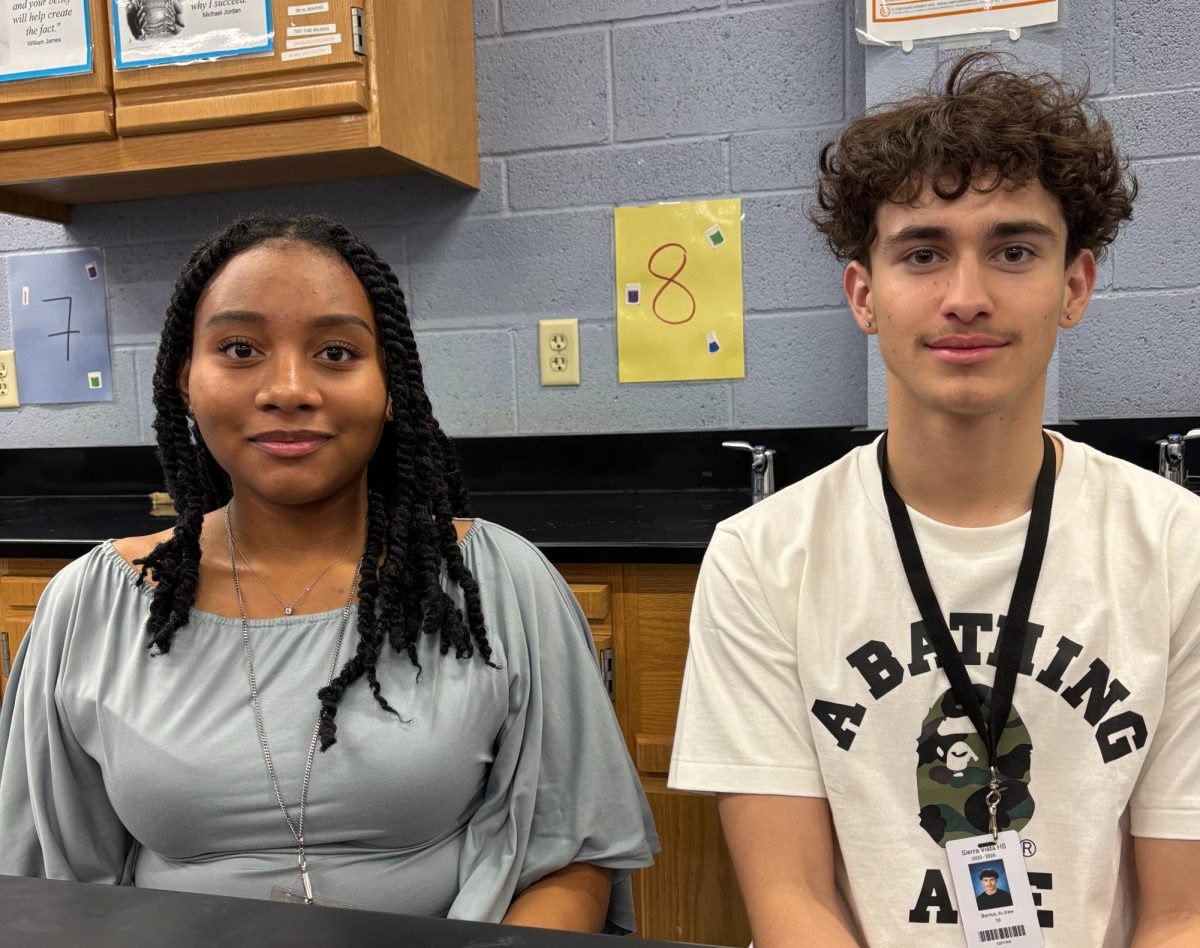
The WNBA, not only a source of inspiration for young girl basketball players, but also an inspiration to all athletes, no matter their age, gender, or abilities, shows that they can achieve anything. Another Sierra Vista athlete, Maya Gangcuanco, shares, “The WNBA shows me how women in sports are able to achieve as much as anybody else can, and inspires me to play like them and use players as an inspiration.” The league serves as a great representation to never give up, even when situations get hard. It also inspires athletes to keep fighting for the right thing and what they deserve. The WNBA works to steadily make a difference in the sports world and will only continue to improve its league.