










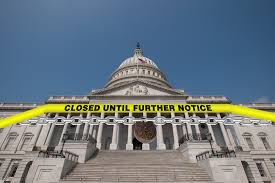



















On October 1st, 2025, the United States government shut down which lasted forty-three days and ended on November 12, making it the longest shutdown in US history and the second in Donald Trump’s presidency. The shutdown occurred because senators with opposing views refused to sign the Appropriations Bill, which is used to set funding for departments, and government operations like national defense and community aid before the given deadline. The shutdown impacted millions of families across the nation and halted government plans as well as damaging the economy because of lost consumer and spending wages.
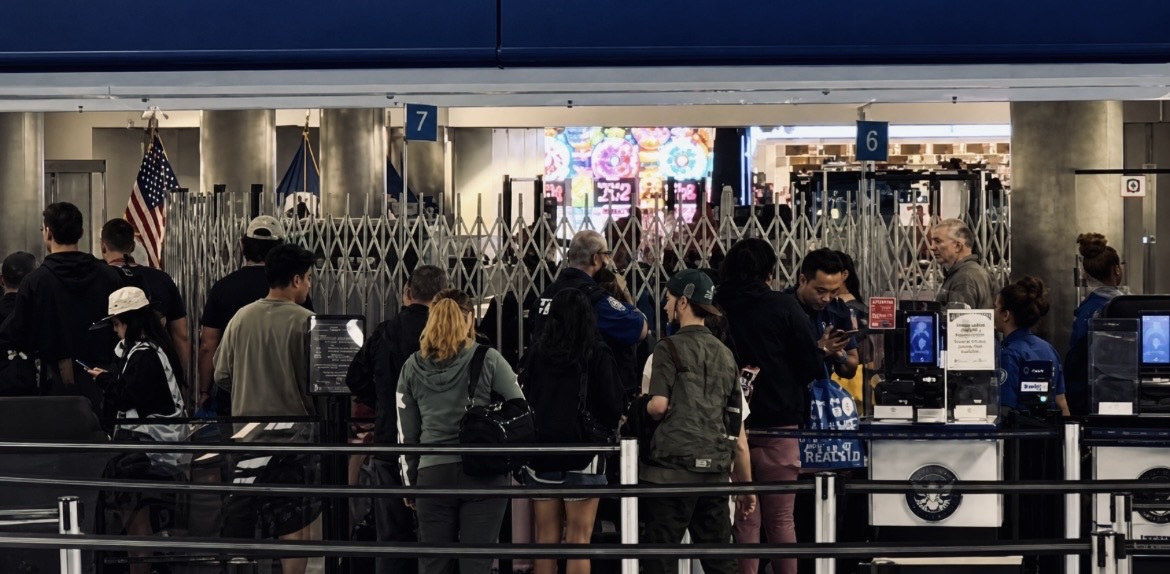
During the shutdown, national parks and museums closed, stopping visitors from seeing popular destinations. Mass layoffs caused many airports across the country to be severely understaffed, causing a spike in delayed flights and raising safety concerns due to underpaid air traffic control workers. Over 4,000 essential federal workers were laid off, including national park and museum staff, and workers in the Internal Revenue Service, which caused financial stress for the workers and their families who rely on their paycheck to cover necessities. The shutdown caused a reduction in federal services like the NIH (National Institute of Health), TSA and air traffic workers, and the FDA (Food and Drug Administration) leaving important documents and applications unsigned.
Although the Senate eventually came to a compromise, the damages of the shutdown can persist months in the future. People missed important events due to delayed flights and did not receive cash compensation. This brought federal workers financial stress along with disrupted operations within the country. The shutdown serves as a great reminder that the inability to compromise can lead to damage that affects each American citizen.