










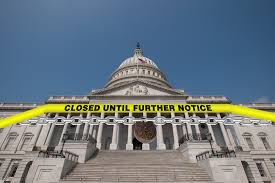


















From October 1, 2025 to November 12, 2025, the United States experienced its second government shutdown under Donald Trump’s presidency, marking the eleventh shutdown in the nation’s history. The 43-day-long shutdown establishes the 2025 shutdown as the longest in American history, surpassing President Trump’s previous 35-day-long shutdown, which spanned from December 22, 2018 to January 25, 2019.
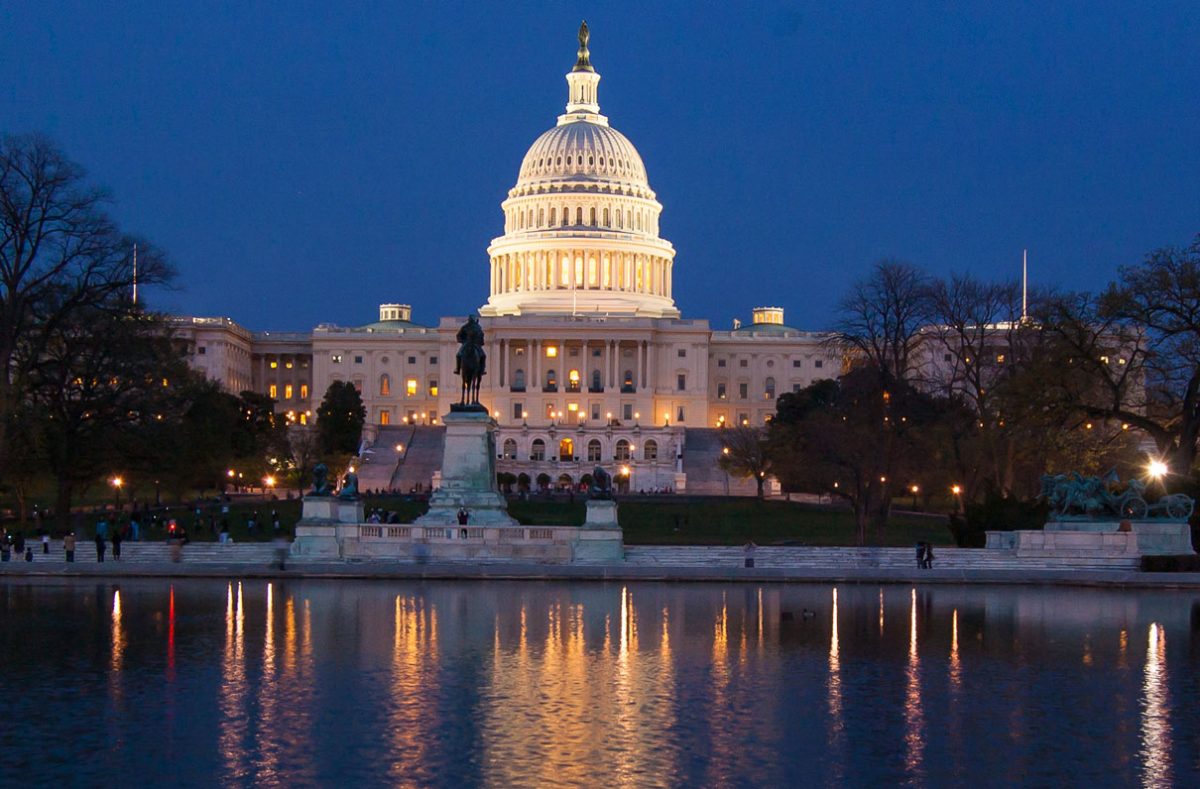
On September 30, the U.S. Congress held a meeting to pass a bill regarding plans for federal funding, which required a mutual agreement between the Senate and the House of Representatives. Despite the House’s approval of the bill, the Senate disapproved of the bill after meeting only 53 of the 60 required votes to pass it. Due to the Senate’s lack of agreement, the bill did not pass, subsequently plunging the nation’s government into a shutdown.
The refusal to pass the bill primarily came from Democratic Congress members; however, both parties accused each other of causing the shutdown. Most Democrats refused to allow the bill to pass unless it included an extension to renew the soon to expire subsidies for health insurance. Without federal provisions, American healthcare will drastically rise in cost.
The government shutdown impacted several crucial areas of the nation. The shutdown disrupted nutrition aid for families such as the Supplemental Nutrition Program for Women, Infants, and Children (WIC) and the Supplemental Nutrition Assistance Program (SNAP), marking the first instance in which a government shutdown impacted SNAP and its benefits.
Over 42 million Americans today rely on aid from organizations like SNAP, many value SNAP as a means to “combating hunger and helping families put food on the table,” according to Crystal FitzSimons, president of the Food Research and Action Center. In the weeks following the shutdown, funding for SNAP benefits stopped which resulted in the delay of aid to families in need. Without SNAP benefits, Americans sought assistance from nonprofit organizations. “If [SNAP] benefits go unfunded, where are people going to turn? We know that a wave could be coming, and we may not be able to meet that emergency need,” Brian McGrain, executive director of the Michigan Community Action organization, shares.
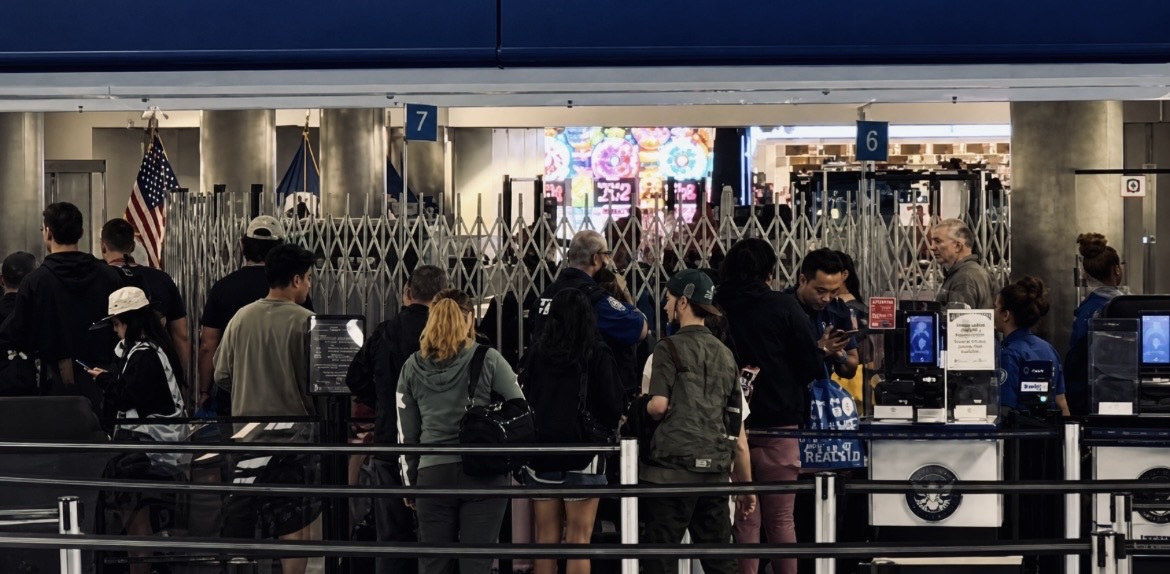
Under the effects of the shutdown, numerous temporary furloughs left a large number of federal employees either without pay or completely laid off. Federal furloughs disrupted the flow of airports with the absence of essential Air Traffic Control (ATC) and Transportation Security Administration (TSA) workers. On November 7, over 5,000 flights were either delayed or cancelled, leaving travelers stranded in airports and under stress. Among the numerous stressed travelers, Joe Sullivan expresses his disappointment with the delay of his flight to Atlanta, “I was hoping to catch up with family down there tonight, so it’s a huge inconvenience in that regard…All I can do is just go home and sit on the couch and wait for my flight to take off tomorrow.”
On the contrary, some government-run organizations, such as the United States Postal Service (USPS), Immigration and Customs Enforcement (ICE), and select national parks, remained functional along with Medicare, Medicaid, and Social Security benefits.
On November 12, Congress met once more to discuss the same bill that resulted in the shutdown. Despite most Democrats remaining adamantly opposed to the conditions of the bill, six Democratic House members and seven Democratic Senators stepped back and sided with the Republicans under the pressure of the shutdown’s effects. As a result of the shift in agreement, the bill finally passed Congress and moved to President Trump for signing, marking the end of the 2025 government shutdown after 43 days.
The newly signed bill seeks to extend government funding until January 30, 2026, along with continuing funding for SNAP, WIC, the Department of Agriculture, and the Department of Veterans Affairs until September 2026. Additional aspects of the bill included acts to reverse the impact of the shutdown, such as undoing the furloughment or lack of pay for federal workers; however, the resolution bill leaves out the extension of healthcare funding that Democrats initially fought for. Instead, another Congressional vote towards the end of the second week of December will dictate the future of healthcare funding. Most Democrats remain determined to fight for the funding of healthcare, including House Minority Leader Hakeem Jeffries, “House Democrats are in this fight until we win this fight…This fight is not over for us. We’re just getting started.”

Despite the reopening of the government, the effects of the shutdown will linger across the nation, and recovery will likely take a prolonged period of time.