



On January 3, 2026, United States military forces seized Venezuelan President Nicolas Maduro along with his wife, Venezuelan First Lady Cilia Flores, from their home in Caracas, Venezuela. Following Maduro’s arrest, the U.S. placed him in New York’s Metropolitan Detention Center in Brooklyn.
The U.S. pre-planned Maduro’s capture months prior to the operation, striking down alleged drug boats and prohibiting the transport of oil tankers in Venezuela as a means to apply pressure on Maduro. Before invading Maduro’s compound in Fort Tiuna, the U.S. launched military strikes aimed at important transportation hubs including the Port of La Guaira and Higuerote Airport along with military-dense facilities.
Ultimately, the damage inflicted throughout the operation claimed the lives of over 80 people, with 47 of the victims identified as Venezuelan troops and 32 victims identified as Cuban soldiers. After recovering the deceased Cuban soldiers, protests erupted in Havana’s U.S. Embassy. President of Cuba Miguel Diaz-Canel joined protesters during their demonstration, “Cuba does not have to make any political concessions, and that will never be on the table for negotiations aimed at reaching an understanding between Cuba and the United States,” Diaz-Canel speaks out against the U.S. raid on Venezuela. Additionally, strikes on Venezuelan airports temporarily halted flights in the Caribbean region; however, airlines including Delta and United resumed flights as early as January 5.
The U.S.-led raid into Caracas adds yet another layer to a long history of bad blood with Venezuela, dating back to Hugo Chavez’s presidency in 1999. Chavez sparked hostility between Venezuela and the U.S. through connections with Russia and China along with reforms during his Bolivarian Revolution that nationalized Venezuela’s oil sector.
After Chavez’s death and Maduro’s initial election in 2013, ties to the U.S. deteriorated further. Throughout the mid-to-late 2010s, the U.S. placed sanctions on Venezuelan officials and prohibited interactions with Venezuelan financial markets, sending the nation’s economy plummeting. U.S. interventions in Venezuela worsened following the beginning of Maduro’s third term in January 2025. In March, Donald Trump placed tariffs on Venezuelan oil purchases and halted the oil concessions in Venezuela given by former U.S. president Joe Biden. Direct interventions began in September with the introduction of the ‘anti-narcotics’ campaigns that involved striking alleged drug boats. In November, the U.S. strengthened military presence across the Caribbean region to combat maritime drug smuggling operations. Hostility between the U.S. and Venezuela climaxed with the capture of Maduro.
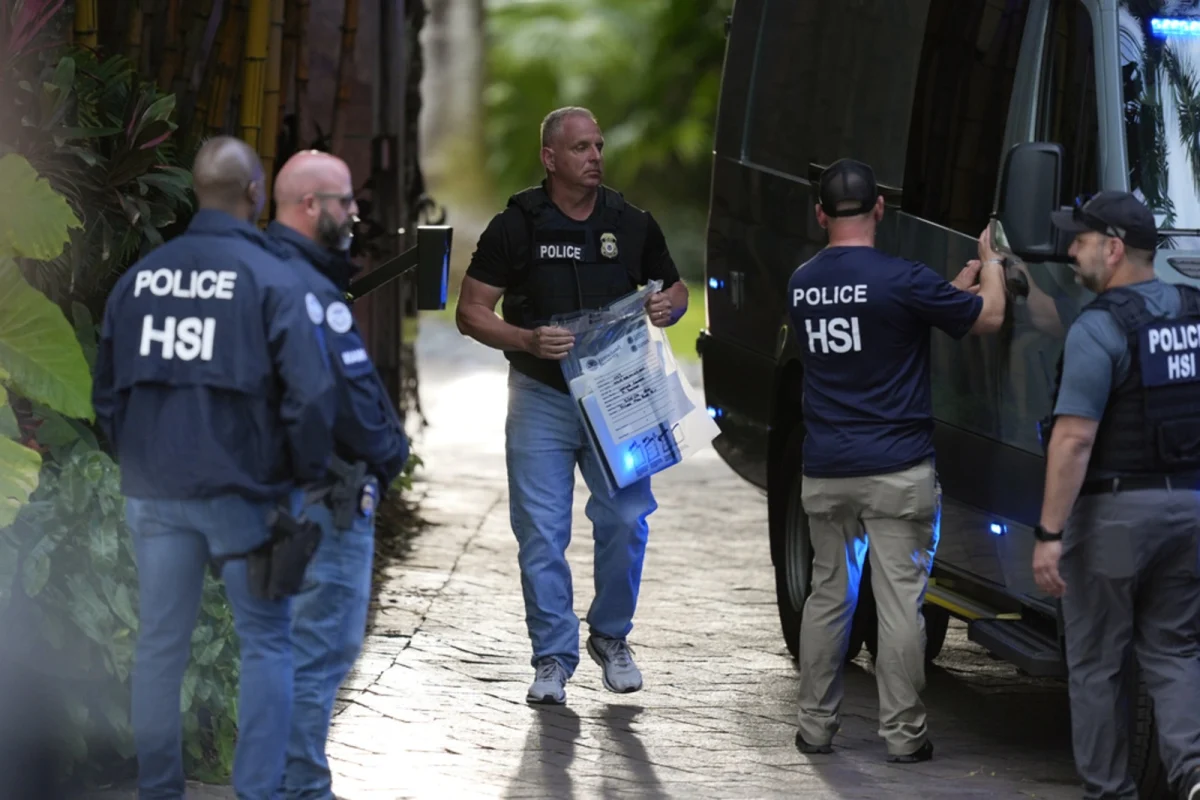
On January 5, Maduro and Flores faced charges relating to drug trafficking and weapons in a U.S. court. Maduro faces charges including conspiracy of narco-terrorism, conspiracy of importing cocaine, conspiracy of possessing machineguns and destructive devices, and possessing machineguns and destructive devices; Maduro plead not guilty to all charges. “I am innocent. I am not guilty. I am a decent man. I am still president of my country,” Maduro claimed during his Jan. 5 court appearance. Beneath Maduro’s charges, the U.S. accused him for running ‘state-sponsored gangs’ that overlooked drug trafficking operations which subsequently resulted in the rise of corruption across Venezuela.
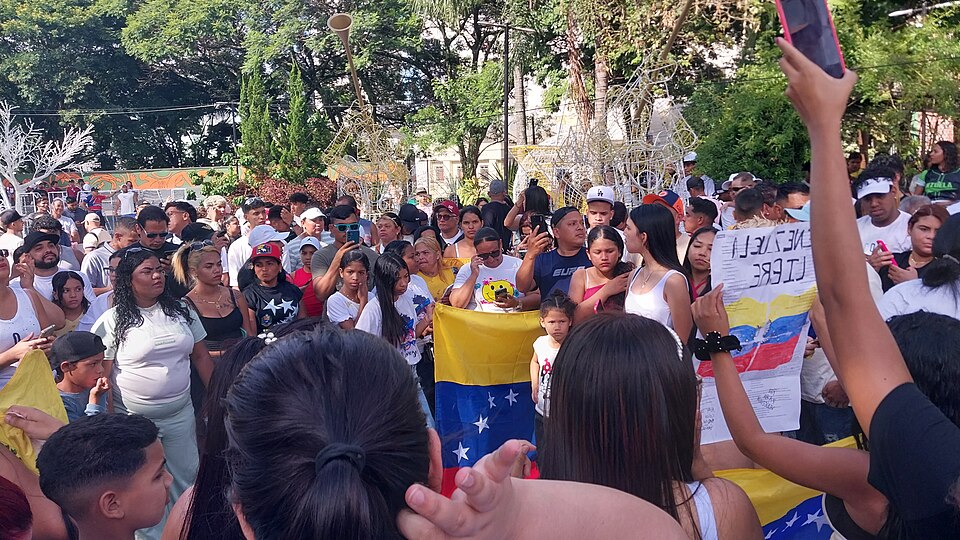
In the absence of Maduro, Venezuelan Vice President Delcy Rodriguez takes on the duties of Maduro and stands as an interim president of Venezuela. In the weeks following Rodriguez’s jump to presidency, Venezuelans presented concerns over the future of the nation under her management, questioning whether she will act autonomously or work with U.S. influence. “I believe that Venezuela’s destiny cannot be an oil agreement and a dictatorship headed by Delcy Rodríguez, because we could simply define that as a continuation of the dictatorship,” opposition leader Andrés Velásquez voiced his doubts for Rodriguez’s leadership
As of mid-February, Maduro remains in jail and in U.S. custody, awaiting his next court appearance on March 17, 2026.