
























On the night of March 15th, 2025, three planes landed in El Salvador carrying 261 men deported from the United States to a high-security prison, marking one of the most controversial immigration actions of the year carried out by President Trump. According to TIME, while a few dozen of the deportees were Salvadoran nationals; the majority were Venezuelan men whom the Trump administration designated as gang members. The removals occurred rapidly, with little public evidence presented and, according to legal advocates, minimal or no due process afforded to those expelled.
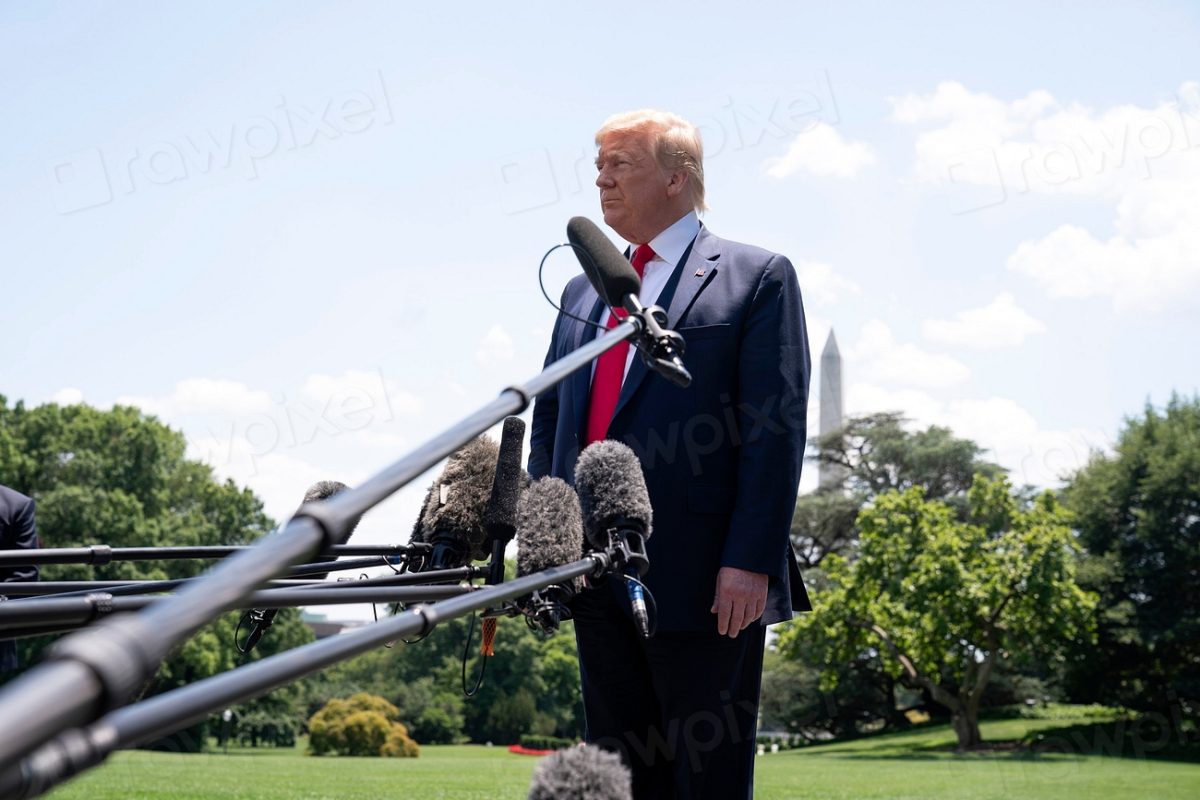
The deportations proceeded despite a federal court order temporarily blocking the administration’s use of the centuries-old Alien Enemies Act. U.S. District Judge James Boasber issued a restraining order halting the removals and verbally directed that any planes already in the air be turned back to the United States. However, the administration allowed the flights to continue, arguing that the order was issued after the migrants had left U.S. territory. The decision intensified a growing confrontation between the White House and the judiciary, raising serious questions about executive authority, judicial compliance, and the limits of wartime powers invoked outside a declared conflict.
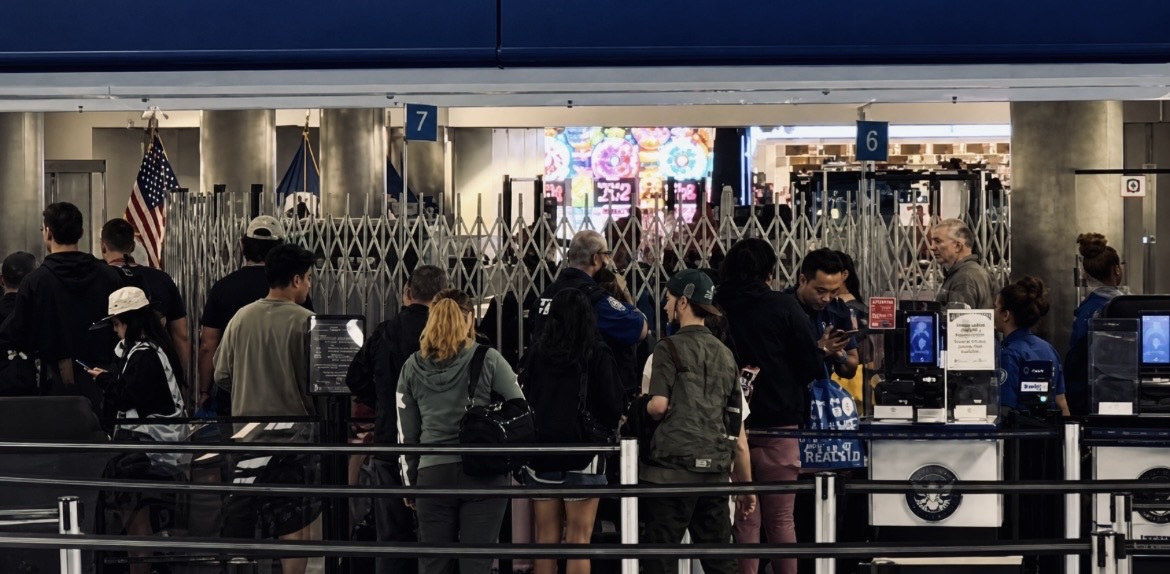
The operation reflected a broader shift in U.S. immigration enforcement during the year, prioritizing rapid removals under expanded executive authority. Administration officials defended the deportations as necessary for national security, citing intelligence assessments that allegedly linked the men to transnational criminal organizations. However, details supporting these claims remain private, fueling criticism from civil rights groups, immigration lawyers, and international observers.
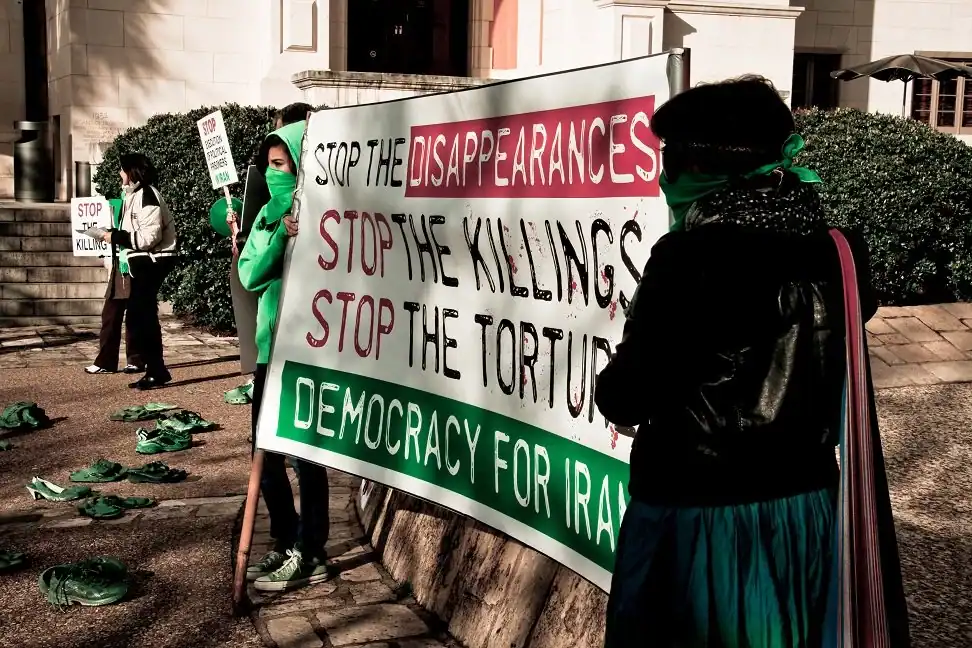
Human rights organizations raised alarms over the lack of individual hearings and the decision to deport Venezuelans to El Salvador arguing that labeling migrants as “gang members” without transparent judicial review undermined constitutional protections and international asylum norms.
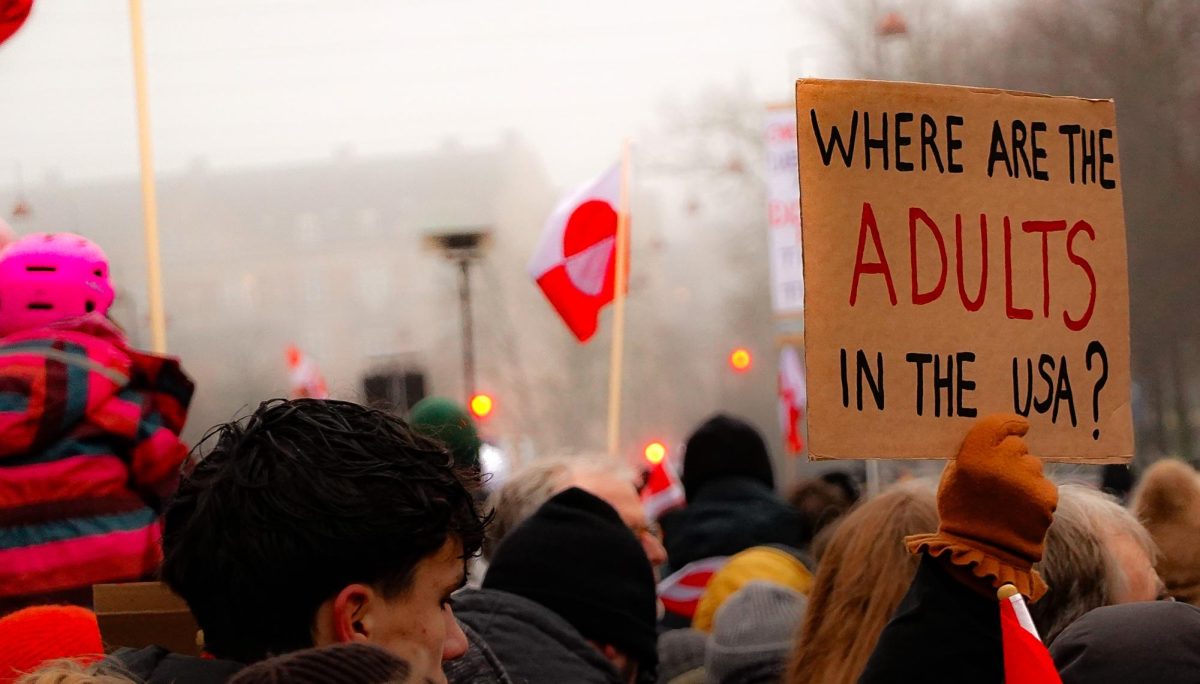
The March 15th deportations became a flashpoint in national debate, illustrating the tension between border enforcement and civil liberties. As 2025 drew to a close, the incident stood as a defining moment in U.S. immigration policy—one that reignited longstanding questions about due process, executive, and the human cost of enforcement-driven governance.